Everything About Oil Field Equipment and Pipeline Equipment: Secret Insights and Essential Info
Oil field equipment and pipeline systems play a crucial function in the oil and gas sector. They are important for the efficient removal and transportation of hydrocarbons. Secret components, such as drilling rigs and tank, directly influence functional success. Improvements in technology pledge to enhance safety and security and performance. Understanding these components is important for any person associated with or thinking about this intricate market, as it establishes the phase for deeper exploration of sector practices.
Overview of Oil Field Equipment
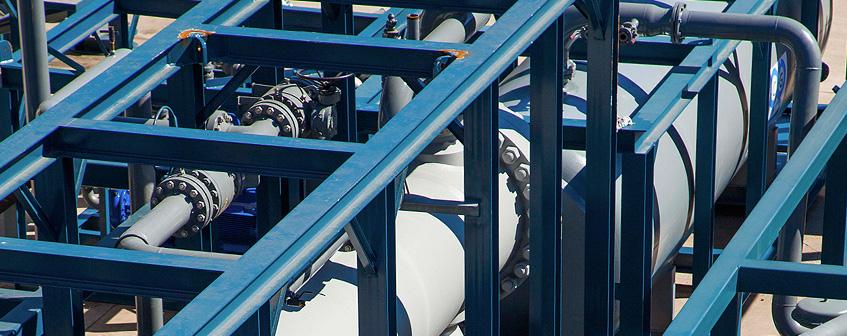
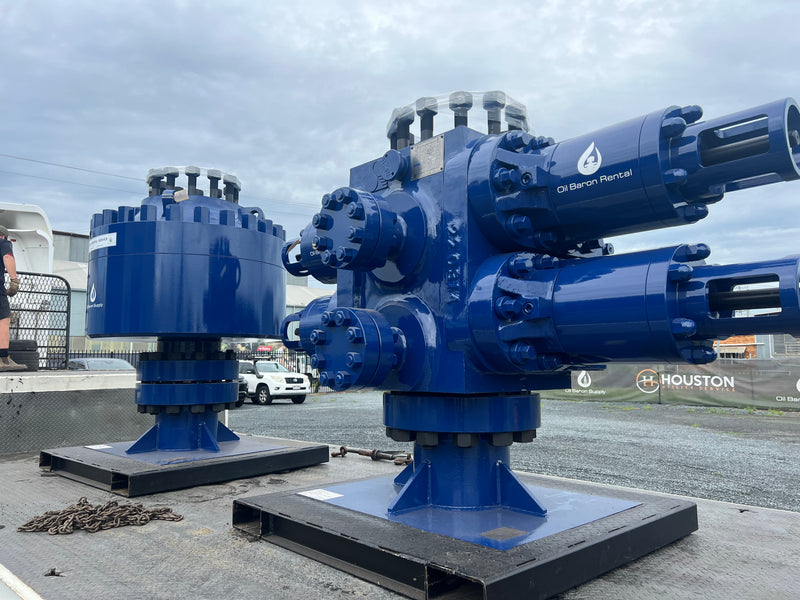
As the need for oil continues to grow, recognizing the tools made use of in oil areas becomes increasingly crucial. Oil field equipment includes a variety of equipment and tools essential for expedition, removal, and processing. Key elements consist of piercing rigs, which are important for getting to oil reservoirs, and production tools, such as separators and pumps, that promote the extraction procedure. Superior Rentals midland. Furthermore, tank play a substantial duty in holding petroleum prior to transportation. Safety tools, consisting of blowout preventers and pressure assesses, ensures functional safety and effectiveness. Each piece of devices functions cohesively to optimize production and preserve effective process. Knowledge with this devices is vital for professionals in the sector to assure effective procedures and adherence to safety criteria
Types of Drilling Rigs and Their Applications
Drilling rigs act as the backbone of oil removal operations, with numerous kinds made for certain geological problems and functional demands. The most usual types include rotary drilling rigs, which use a rotating drill bit to permeate the earth, and wire device rigs, recognized for their percussion drilling technique. For offshore operations, jack-up rigs and semi-submersible rigs give security and assistance in marine atmospheres. Additionally, directional boring rigs allow operators to drill at angles, getting to down payments that are not up and down easily accessible. Each gear type has special advantages, optimizing performance and safety based on the exploration atmosphere. Choosing the proper rig is essential for making best use of source extraction while reducing environmental impact and functional expenses.

Essential Pipeline Equipment and Their Features
Pipeline framework is necessary for the transportation of oil and gas from removal sites to processing centers and end-users. Various crucial equipment elements promote this procedure. Pipes themselves function as the primary avenues, made to endure high pressure and harsh substances. Pump terminals are critical for keeping flow by boosting pressure along the pipeline. Shutoffs play a crucial role in managing flow and separating sections for upkeep. Additionally, installations and adapters ensure safe joints between pipe areas. Monitoring systems, consisting of flow meters and pressure construction hoist elevator sensing units, are crucial for finding leaks and optimizing flow prices. Lastly, pigging equipment is utilized for upkeep and cleaning, protecting pipeline honesty and efficiency. With each other, these elements form the foundation of a reputable pipeline system.
Innovations and Technologies in Oil and Gas Equipment
Safety and Upkeep Practices in the Oil Sector
While the oil sector has made substantial strides in technology and efficiency, the value of durable safety and maintenance methods can not be overstated. Reliable security procedures are necessary to secure workers and the environment, decreasing the danger of crashes and spills. Regular examinations and upkeep of equipment assistance identify prospective concerns prior to they intensify, making certain functional honesty. Training programs for staff members are essential, stressing the significance of security recognition and emergency feedback procedures. In addition, adherence to industry guidelines and standards promotes a society of security. Carrying out advanced surveillance technologies can further boost maintenance techniques, enabling real-time analyses of equipment problems. Eventually, focusing on security and upkeep is essential to the sustainability and success of the oil sector.
Frequently Asked Questions
What Are the Environmental Impacts of Oil Field Equipment?
The ecological influences of oil field equipment include environment damage, water contamination, and air contamination (Superior rentals squeeze tools). Furthermore, devices malfunction can bring about spills, detrimentally affecting wild animals and ecological communities, highlighting the demand for rigorous regulations and surveillance
Just How Is Oil Field Equipment Moved to Remote Locations?
Carrying oil field equipment to remote areas typically entails customized automobiles, helicopters, or barges. Logistics business coordinate courses, making sure tools shows up safely and efficiently, considering surface and access to lessen hold-ups and maximize productivity.
What Governing Criteria Govern Oil Field Equipment?
Governing standards controling oil field equipment largely consist of safety, ecological security, and functional performance standards. Agencies such as OSHA and EPA apply these regulations to ensure risk-free techniques and decrease ecological effect in oil extraction procedures.
What Abilities Are Needed to Operate Oil Field Machinery?
Exactly How Do Oil Rates Impact Equipment Demand and Use?
Oil costs significantly affect tools demand and use. Greater prices generally result in increased exploration and production tasks, driving demand for machinery. On the other hand, reduced prices may result in lowered operations and reduced requirement for tools.